
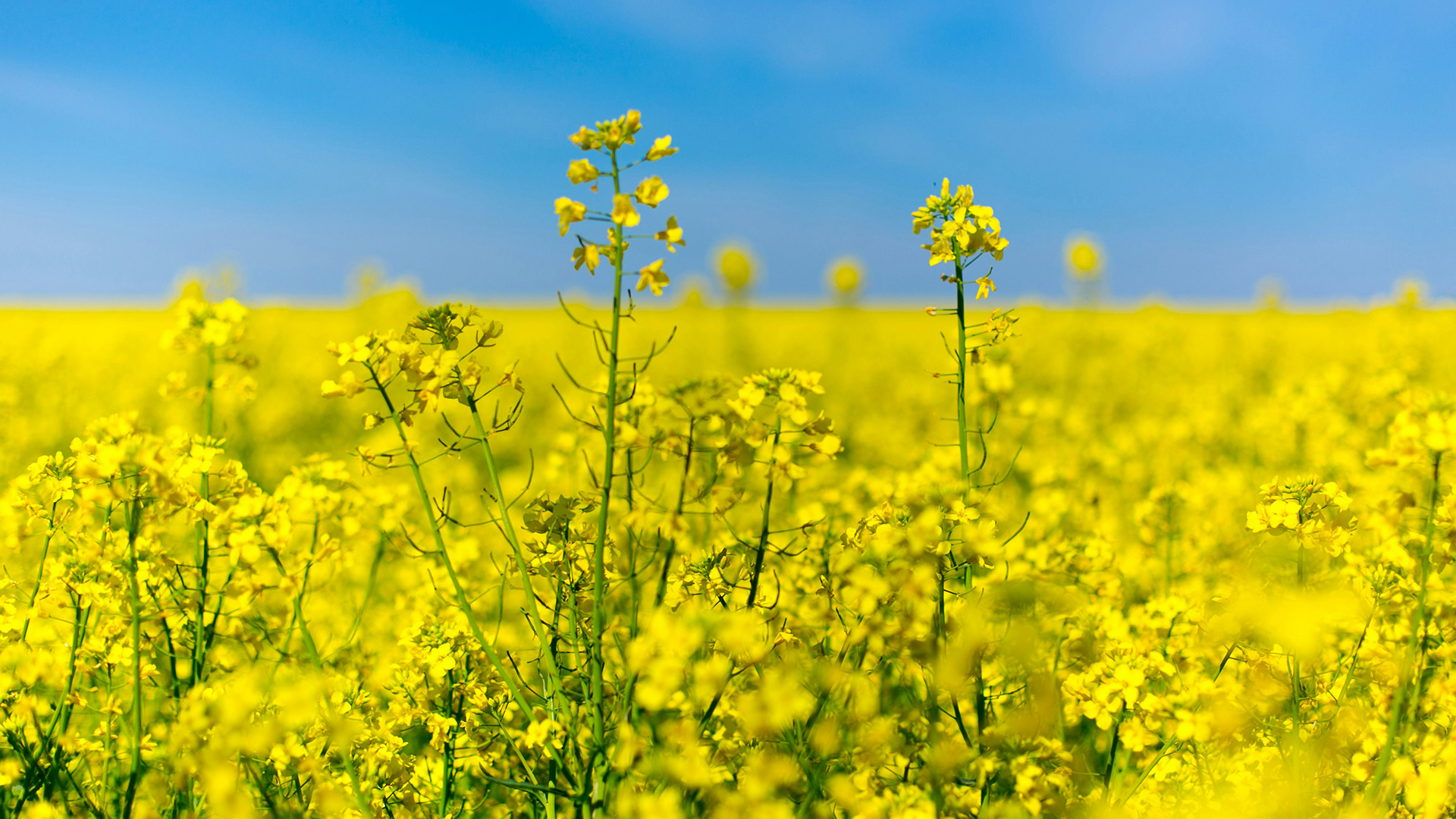
With the introduction of the IRICC scheme in France, carbon performance has become a key driver of biofuel value. For the rapeseed sector, the price gap between standard and low-carbon biofuels can already reach €220/tonne. Who will capture this new value?
IRICC: A Turning Point in Biofuel Pricing in FranceL’IRICC : un tournant dans la formation des prix des biocarburants en France
In the past, biofuel buyers did not focus on the carbon footprint of the solutions they purchased. The implementation of the European RED III directive, translated in France through the IRICC scheme (Incentive for the Reduction of Carbon Intensity of Fuels), is set to fundamentally transform the dynamics of the biofuel market.
From now on, buyers of biofuels and participants across the entire upstream supply chain will need to meet strengthened CO₂ reduction targets. This is particularly relevant for rapeseed-based biofuels, which have the lowest greenhouse gas (GHG) reduction potential.
Value differential by carbon performance levelÉcarts de valorisation selon la performance carbone
| GHG Reduction Level | Estimated Value Premium (March 2026) |
|---|---|
| ~60% (default value) | Reference |
| ~80 % | +€100/tonne |
| > 90 % | Up to +€220/tonne |
- Europe produces approximately 5.7 million tonnes of rapeseed biodiesel, requiring nearly 12.6 million tonnes of rapeseed.
- By 2027, demand for low-carbon rapeseed could reach at least 6 million tonnes.
- Europe produces close to 20 million tonnes of rapeseed and imports around 7 million tonnes. Who will capture this new value?
Will European agriculture be able to compete with Canadian or Ukrainian producers, especially in a context where transport contributes relatively little to the overall carbon footprint?
The Rapeseed Market Must Evolve to Meet New Constraints
Improving GHG performance in crops, which represents the main source of emissions, becomes a key strategic lever. The European rapeseed sector has strong potential in this regard, given that current practices are far from optimal.
Its contribution to emission reductions relies on:
- The evolution of agricultural practices and better traceability of data
- Optimized fertilization and reduced input use
- Changes in soil management
- The integration of organic amendments
These changes could translate into an additional valuation of rapeseed of 10–20% compared to standard grain. This premium is attractive, provided it compensates the efforts made in terms of costs, audits, and traceability.
Visibility Is Key to Driving the Low-Carbon Market
As competition intensifies in Europe and globally, driven by increasing availability of low-carbon feedstocks, the premium associated with low-GHG biofuels is becoming less certain. In this context, the economic incentive for French farmers to adopt these practices could weaken, particularly when additional costs (such as purchasing compost or modifying technical practices) are offset by only a limited premium of a few dozen euros per tonne.
Securing value thus becomes a critical issue, requiring partnerships with actors capable of guaranteeing multi-year pricing.
The market shows a potential gain of around €100 per tonne of rapeseed, which should be shared among the various stakeholders in the supply chain.
International Competition Looms
Australia, Ukraine, and Canada are also players in this market. Surprisingly, even when delivered to Europe, Australian and Canadian rapeseed currently achieves better GHG performance than European rapeseed, reaching up to 70% reduction — still below the expected 80% standard projected to become the norm over the next five years.
This discrepancy is largely due to differences in regional carbon benchmarks, known as NUTS values. As a result, a Canadian grain imported into France can today present a better carbon footprint, transport included.
The Short-Term Opportunity: Move to Real-World Values
To remain competitive, the French sector will need to evolve. Moving from regional reference values (NUTS) to real emissions measured at the farm level is a key lever to quickly achieve 70% reductions, compared to the current 60%. This approach requires enhanced traceability and more precise carbon accounting tools.
From a market perspective, the trend is clear: demand for low-carbon rapeseed will grow sharply, as it is the only feedstock capable of meeting future decarbonization targets. The challenge for France will be to structure this sector sustainably, ensuring meaningful revenues for stakeholders and a balanced value-sharing system. This is essential to place low-carbon rapeseed on a long-term trajectory and guarantee the volumes needed to meet market demand over the next decade.
About GREENEA
GREENEA is a brokerage and advisory firm specializing in biofuels and environmental markets, founded nearly 20 years ago. In 2026, GREENEA was recognized at the Energy Risk Commodity Rankings in several key categories:
- #1 Broker in second-generation (advanced) biofuels
- #1 Broker in renewable energy certificates
- #1 Advisory in biofuels
- #1 Research in biofuels
What is the IRICC?
The IRICC (Incentive for the Reduction of Carbon Intensity of Fuels) is a French regulatory scheme designed to accelerate transport decarbonization by strengthening renewable fuel incorporation requirements. It is France’s national implementation of the European RED III directive.

